DevOps, the integration of Development and Operations, primary aim is to foster seamless collaboration and enhance delivery efficiency, and support devOps automation for faster release cycles. For organizations adopting DevOps, understanding the specific roles within this framework is crucial.
Two key roles often discussed are DevOps Consultants and DevOps Engineers. DevOps Engineers typically focus on hands-on implementation of pipelines, monitoring, and DevOps automation, while DevOps Consultants provide guidance on strategy, tool selection, and aligning practices with business objectives.
While both share the goal of streamlining development processes, they differ in focus, responsibilities, and skill sets. This blog explores the key differences between DevOps Consultants and DevOps Engineers.
DevOps Engineer:
A DevOps engineer is a skilled IT professional responsible for building and maintaining the technical infrastructure and automated pipelines that support DevOps best practices within an organization.
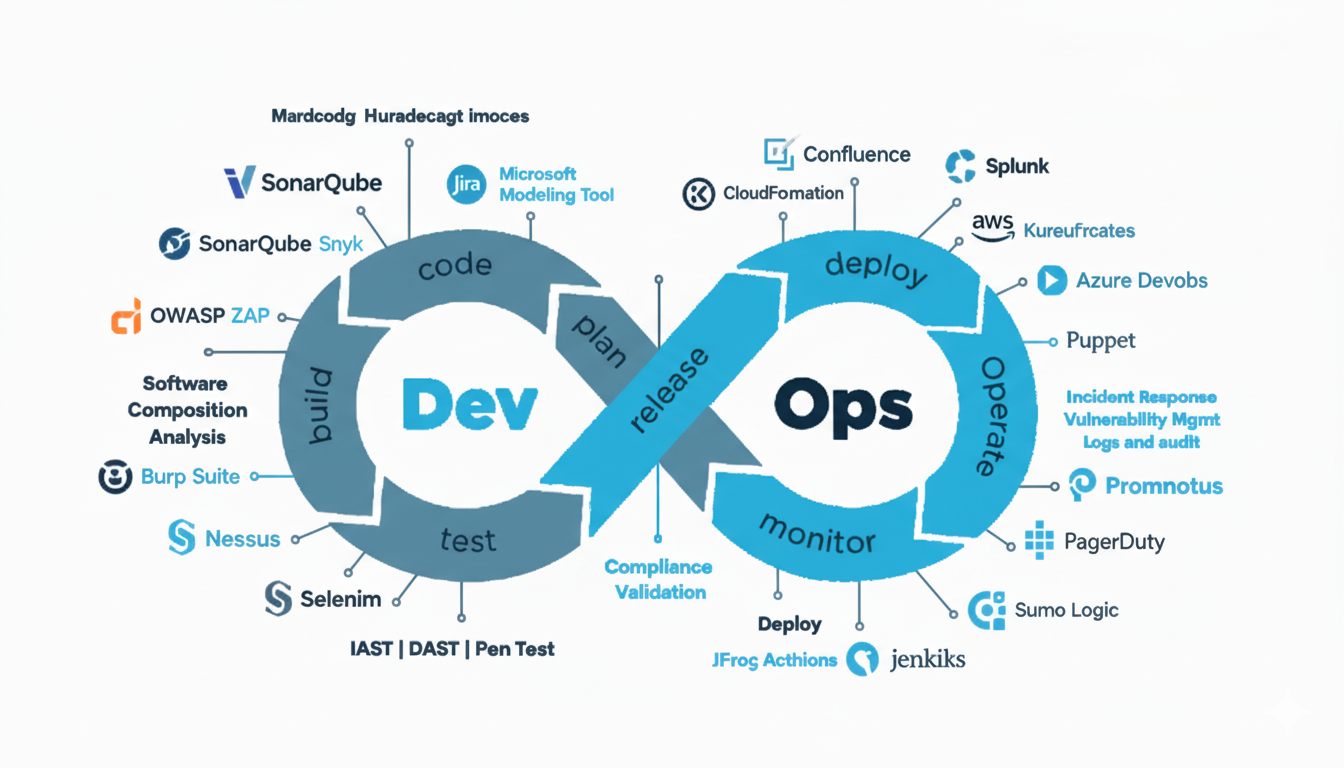
Engineer DevOps services involve automating tasks, setting up continuous integration (CI) and continuous delivery (CD), and troubleshooting issues within a DevOps pipeline using reliable DevOps automation tools, throughout the software development lifecycle (SDLC).
Strong DevOps engineer skills, such as coding expertise, automation, and problem-solving, are essential to excel in this role. Combine software development and operations expertise to streamline workflows, integrate systems, and foster collaboration across teams using modern DevOps tools.
Address challenges such as inefficient manual processes, lack of automation, misconfigured monitoring and logging systems, and slow or broken CI/CD pipelines by using reliable DevOps tools and applying DevOps as a Service approaches when needed.
Typically working in-house, they implement DevOps strategies in a cost-efficient manner, often following frameworks or designs provided by a DevOps architect or consultancy. In essence, a DevOps engineer drives continuous improvement, solves complex technical problems, optimizes processes, and enables teams to deliver high-quality software with speed and consistency.
Key DevOps engineer roles and responsibilities include:
1. Automating Processes:
DevOps engineers focus on driving automation to limit manual work across the software lifecycle. Handle repetitive tasks such as testing, code integration, and deployment automatically.
Which speed up development, boost efficiency, and reduce errors. Automating these routine and complex processes ensures time savings and more reliable results.
2. Continuous Integration (CI)
DevOps engineers play a crucial role in implementing and managing Continuous Integration (CI). They use tools like Jenkins, CircleCI, and TravisCI to automatically merge code changes into a central repository.
Ensures continuous validation of the codebase and early detection of integration issues. That creates a stable and consistently high-quality software environment.
3. Continuous Deployment (CD)
DevOps engineers design and maintain pipelines that enable continuous deployment, ensuring validated code changes are automatically released into production.
By automating the release process, they minimize manual intervention and significantly reduce the risk of deployment errors.
Leveraging continuous deployment practices allows organizations to accelerate software delivery along reliability.
4. Infrastructure as Code (IaC):
Infrastructure as Code (IaC) is a core principle of DevOps engineers, allowing them to define, manage, and provision infrastructure through code.
Using tools like Terraform, CloudFormation, and others, teams can represent infrastructure programmatically, ensuring scalability, reproducibility, and version control.
This approach promotes consistency and reliability across diverse deployment environments.
5. Enabling Team Collaboration
DevOps Engineers serve as the vital link between development and operations teams, promoting a culture of collaboration and open communication.
They align team objectives, foster transparency, and remove obstacles that hinder cooperation.
The success of DevOps engineers relies on their ability to enable seamless teamwork and collective effort across all stakeholders.
6. Tracking and Logging Systems
DevOps Engineers maintain the performance and stability of applications and infrastructure by leveraging advanced monitoring and logging systems.
They implement tools to track performance metrics, detect anomalies, and generate actionable insights into system behavior.
By identifying issues early and enabling quick resolution, they ensure operations remain efficient and reliable.
7. Integrating Security (DevSecOps)
DevOps Engineers apply DevSecOps principles to embed security across the development lifecycle.
They implement security controls, perform regular assessments, and resolve vulnerabilities early. By incorporating DevSecOps from the start, they create more resilient and secure systems.
8. Issue Resolution & Improvements
DevOps Engineers play a vital role in detecting and resolving issues across development and production environments.
They use strong problem-solving skills to address incidents quickly and take part in post-incident reviews to capture lessons learned.
By analyzing performance metrics, gathering feedback, and driving continuous improvement initiatives, they enhance both systems and operational processes.
9. Scripting & Programming
A DevOps Engineer requires strong skills in both scripting and programming. They use languages such as Python, Ruby, JavaScript/Node.js, and Shell to automate routine tasks, build custom tools, and design solutions tailored to organizational needs.
Their coding expertise enables them to create, maintain, and optimize automated DevOps workflows efficiently. Developing these DevOps engineer skills is vital for long-term success in modern IT environments.
Pros of DevOps Engineers
· Dedicated Team Member: A DevOps Engineer becomes a full-time, committed member of your team, fully invested in your projects and organizational goals.
· Greater Control: As an in-house resource, you have direct oversight of their tasks, priorities, and workflow, allowing you to align their work closely with your business needs.
· Tailored Approach: You can guide and define how they execute processes, ensuring that their strategies and solutions match your company’s standards and expectations.
· Consistent Communication: Being part of your team enables regular updates, progress reports, and collaboration, keeping you informed and engaged at every stage.
Cons of DevOps Engineers
Working as a full-time DevOps employee within a single company can sometimes limit exposure to the broader DevOps community. This may lead to:
· Knowledge Gaps: Limited awareness of emerging tools, practices, or automation techniques.
· Training Needs: Engineers may require up skilling or guidance to adopt best practices beyond their familiar toolkit.
· Troubleshooting Challenges: Fewer opportunities to consult peers with diverse experience can make complex problem-solving more difficult.
DevOps Engineers are considered when:
a) Long-term Implementation: A dedicated engineer can execute and manage your DevOps strategy directly.
b) Continuous Improvement: An DevOps engineer can continuously optimize your infrastructure and processes as an in-house DevOps champion.
c) Specialized Skillsets: Have deep expertise in specific DevOps tools or technologies, such as Jenkins, Docker, Kubernetes, Ansible, or Terraform.
DevOps Consultant:
DevOps consultants act as external experts, leveraging experience to guide organizations in successful DevOps adoption. They evaluate workflows, identify improvements, and mentor teams in implementing effective solutions.
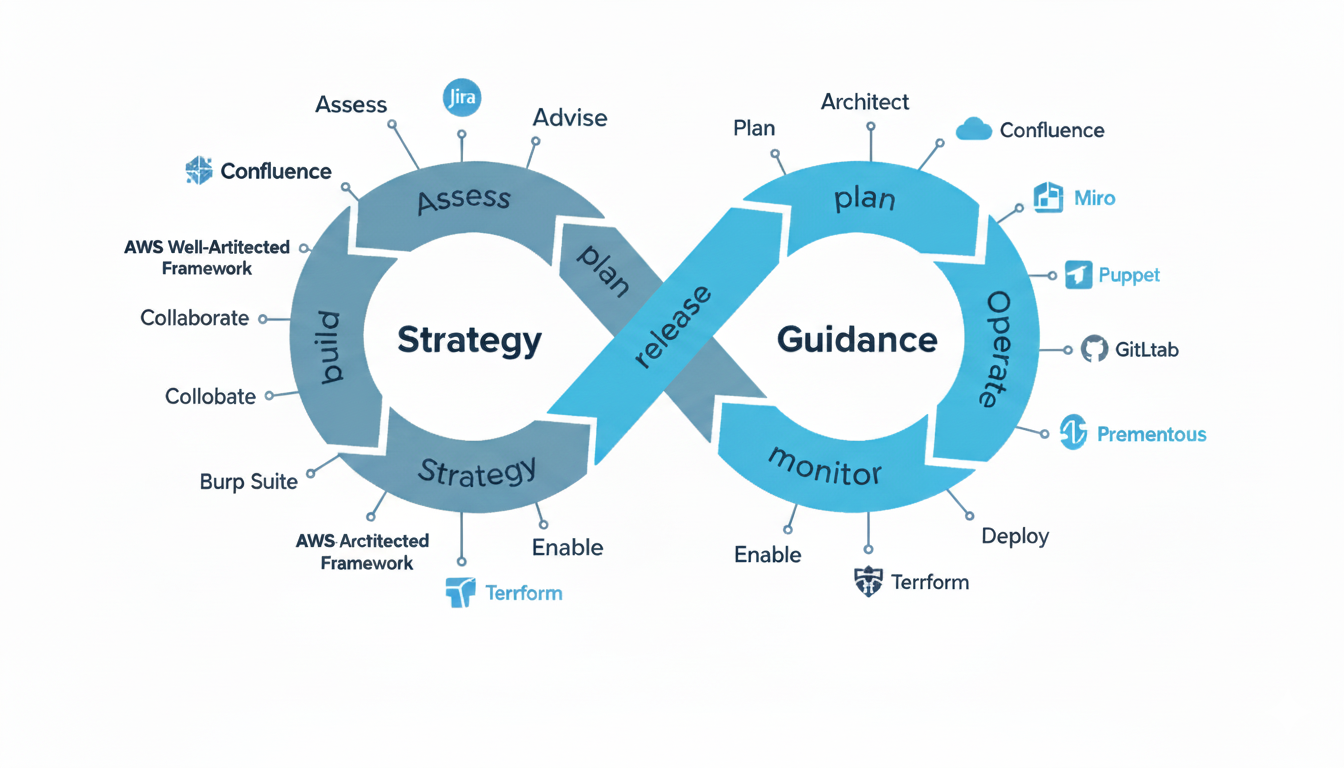
A DevOps consulting company often provides these external experts.A DevOps consultant delivers strategic guidance, conducts project audits, provides training, and facilitates knowledge transfer to help organizations adopt and enhance DevOps best practices.
Typically certified professionals, they are engaged to address specific challenges, educate teams on DevOps tools, and design an efficient DevOps pipeline that aligns with industry standards. Many organizations hire DevOps consulting services when they need expert advice on tool selection, workflow optimization, or team enablement.
By assessing infrastructure and workflows, consultants develop actionable improvement plans and create roadmaps to implement DevOps best practices, deploy suitable DevOps tools, recommend tailored DevOps services, and select the most effective DevOps automation tools that support organizational goals.
They align development and operations, optimize processes, and improve collaboration while addressing tooling, visibility, and communication gaps. Beyond technical expertise, DevOps consultants drive cultural transformation, align business and technology goals, and provide strategic guidance for faster, more efficient, and reliable software delivery.
Key DevOps consultant roles and responsibilities include:
1. Strategy Planning & Evaluation
A DevOps consultant begins by conducting a comprehensive assessment of an organizational development and operational processes, analyzing existing workflows, identifying bottlenecks, and evaluating software delivery efficiency.
Based on these insights, they develop a strategic roadmap and tailor a DevOps strategy that aligns with the organization’s specific goals and requirements, guiding the organization through a successful DevOps transformation.
2. Transforming Workplace Culture
DevOps consultants play a pivotal role in driving cultural change within an organization. Often, the success of DevOps adoption depends on these cultural transformations.
Their work focuses on promoting a collaborative mindset, breaking down communication barriers, and encouraging shared ownership of the software development lifecycle.
3. Tool chain deployment
DevOps relies on automation to eliminate bottlenecks and optimize workflows. To achieve this, DevOps consultants first assess an organization’s existing toolchain and then recommend or implement technologies to automate different stages of the software delivery pipeline.
These tools often include version control, continuous integration, and continuous deployment. By establishing a repeatable process between code development and deployment, organizations can ensure consistent and faster software delivery.
4. Empowering with training and knowledge:
The success of DevOps initiatives depends on the understanding and commitment of the people involved. DevOps consultants deliver targeted training and education to development and operations teams, as well as key stakeholders.
This training encompasses both the technical application of DevOps tools and practices and the foundational principles guiding their adoption.
By equipping teams with the right skills and knowledge, organizations can ensure effective and sustainable DevOps implementation.
5. Interaction and Teamwork:
Effective communication and collaboration form the foundation of DevOps. DevOps Consultants play a key role in connecting traditionally siloed teams, fostering transparency, and promoting joint efforts across functions.
This approach includes structured meetings, facilitated cross-team workshops, and the use of communication tools that enable smooth information exchange between development, operations, and other departments.
6. Performance Tracking
A DevOps consultant is tasked with the ongoing monitoring and assessment of practices within the organization. This involves tracking and analyzing key performance indicators (KPIs), collecting feedback from teams, and pinpointing areas for improvement.
Based on these insights, the consultant refines existing processes and introduces new practices, enabling the organization to remain adaptable and responsive to evolving business demands.
7. Security and Compliance Integration
Security and compliance are critical components of modern DevOps projects. Consulting firms embed security within development pipelines through practices such as DevSecOps.
This approach requires close collaboration with security teams, seamless integration of security tools, and rigorous compliance management across the entire software development lifecycle.
Pros of DevOps Consultants
· Cost-Effective Engagement: DevOps consultants are typically hired for specific needs, making them more affordable compared to full-time DevOps engineers.
· Broad Industry Experience: Having worked across diverse business infrastructures, bring extensive knowledge to implement DevOps processes that perform well in various companies, and development teams.
· Awareness of Common Pitfalls: Their exposure to different systems provides them with insights into frequent challenges, along with strategies to proactively avoid or resolve these issues.
· Access to Collective Expertise: Consultants often work as part of a team, enabling them to leverage the collective skills and experience of their peers to troubleshoot problems effectively.
Cons of DevOps Consultants
Bringing in DevOps consultants can come with certain challenges that businesses should be aware of:
· Limited Control : Unlike full-time employees who adapt to your systems and processes, consultants often follow their own methods. This means you have less influence over how your deliverables are completed.
· Integration Challenges: Instead of training someone in-house, you will need to adapt your workflows to accommodate the consultant’s approach.
· Communication Gaps: Some consultants may not communicate effectively, which can lead to confusion and unclear deliverables.
· Privacy Concerns: Businesses often worry about data security when working with external consultants.
DevOps Consultants are considered when:
a) Short-Term Projects: When you need fast results or a specific issue resolved, consultants can quickly step in, diagnose the problem, and deliver tailored solutions.
b) Knowledge Transfer: If your goal is to up skill your team, consultants can provide hands-on training, workshops, and guidance on DevOps best practices.
c) Driving Cultural Change: Breaking down silos and fostering collaboration is not easy. Consultants can act as neutral facilitators and catalysts for lasting cultural transformation.
Key Differences of DevOps Consultant & DevOps Engineer:
DevOps consultants and engineers each play a role in streamlining development and operations, yet their responsibilities and priorities set them apart.
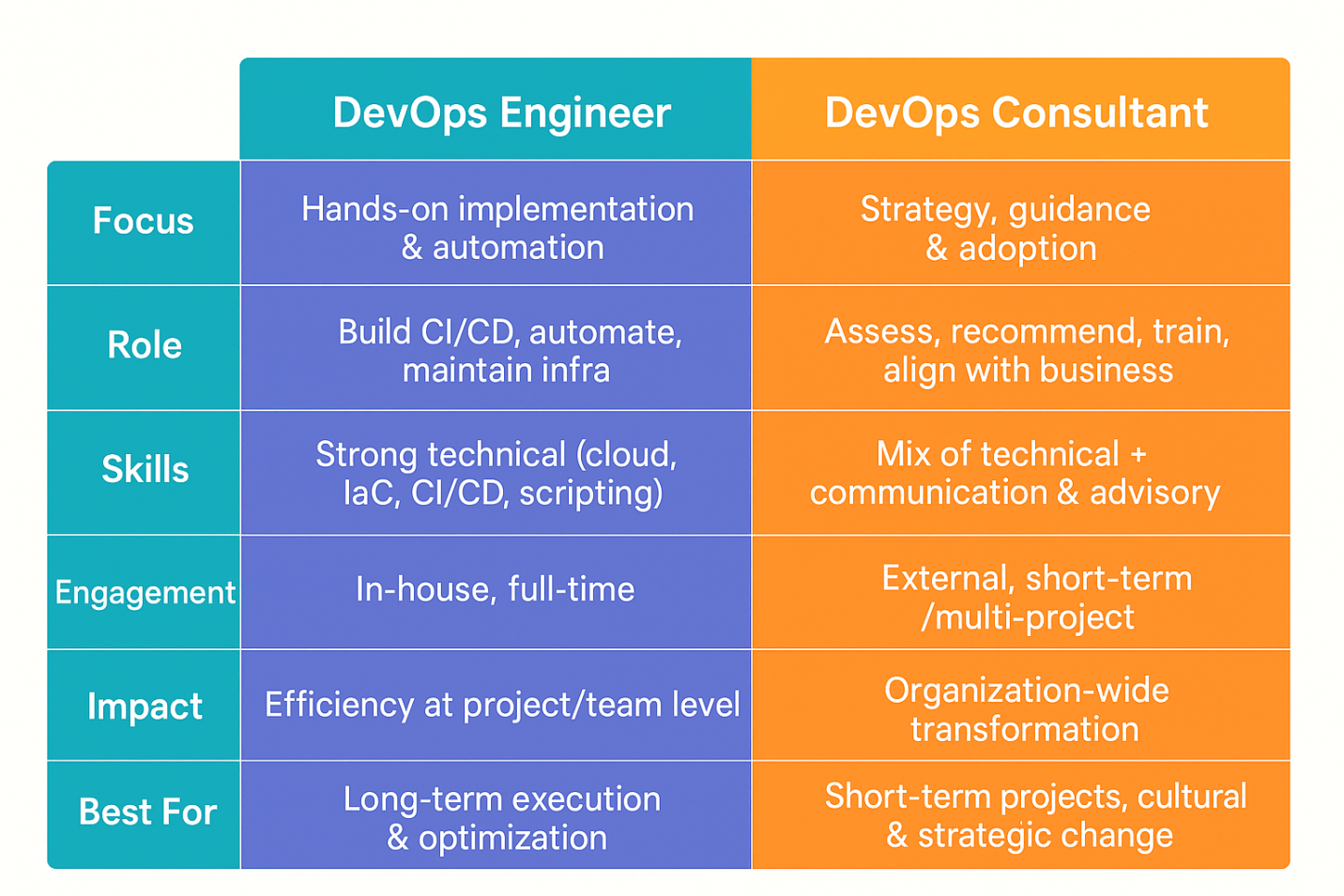
1. Key Roles and Responsibilities
· DevOps Engineer
DevOps engineers focus on automating software development, deployment, and monitoring workflows by leveraging the technical tools and frameworks required for automation within the DevOps pipeline.
They design, manage, and maintain the infrastructure environments that support software production. Their work often falls under direct, internal DevOps services provided to a single company.
Their responsibilities include configuring servers, building CI/CD pipelines with tools like Jenkins or GitHub Actions, packaging applications into containers using Docker, orchestrating them with Kubernetes, and monitoring system performance with Prometheus and Grafana to ensure stability and efficiency.
· DevOps Consultant
DevOps consultants adopt a broader perspective on software delivery and operations. They collaborate with leadership to design strategies and frameworks for implementing DevOps best practices, not just at the technical level but also at the cultural and strategic level.
Their core responsibilities include assessing current processes to identify bottlenecks, recommending solutions to enhance efficiency, and providing guidance and training to teams to ensure effective adoption and long-term success.
For example, a consultant might review an organization’s release workflow, identify delays caused by manual approvals, introduce an automated CI/CD pipeline, and conduct workshops to train developers and operations staff on the new system.
2. Core Skills and Expertise
· DevOps Engineer
To excel as a DevOps Engineer, a strong technical foundation is essential. This includes hands-on experience with cloud platforms, containerization, and configuration management, as well as proficiency in scripting languages and infrastructure automation tools.
They should be skilled in tools such as Jenkins, Ansible, Docker, and AWS, while also having a solid understanding of network protocols, security best practices, and modern software development methodologies.
· DevOps Consultant
A successful DevOps Consultant combines technical expertise along with strong communication and interpersonal skills, enabling effective collaboration with team members, management, and stakeholders.
They excel at gathering requirements, aligning solutions with business objectives, and driving DevOps initiatives forward. Additionally, they possess strong problem-solving abilities and an organized mindset to tackle complex challenges and deliver sustainable results.
3. Project Scope and Engagement
· DevOps Engineer
DevOps Engineers typically work within a defined project or team, focusing on implementing DevOps practices directly in that environment.
They collaborate closely with developers and operations staff to ensure smooth software delivery in each iteration.
Their primary focus is on technical execution, streamlining processes, reducing cycle times, and enhancing overall efficiency.
· DevOps Consultant
DevOps Consultants, on the other hand, work with organizations in a broader, often advisory capacity.
They may engage in multiple projects across different domains simultaneously, providing expert guidance on the organization’s DevOps journey.
Their experience with diverse environments enables them to tailor strategies, adapt frameworks, and recommend best practices that meet each organization’s unique needs.
4. Strategic Impact and Change
· DevOps Engineer
DevOps Engineers primarily focus on improving the efficiency and effectiveness of the specific project or team they are part of.
Their role involves ensuring seamless integration between development and operations, minimizing bottlenecks, and fostering collaboration at the execution level.
· DevOps Consultant
DevOps Consultants, however, drive transformation at a broader organizational level. They collaborate closely with leadership to assess existing processes, identify areas for improvement, and design strategies that align technology with business objectives.
By implementing DevOps practices and recommending new frameworks, consultants help organizations break down silos, foster cross-department collaboration, and promote long-term cultural and operational change.
5. Agility and Growth
· DevOps Engineer
For DevOps Engineers, scalability and flexibility are essential skills. They design and implement infrastructure automation to enable seamless scaling, ensuring resources grow with project demands.
Engineers must also remain adaptable, quickly adopting new tools, frameworks, and technologies to stay aligned with evolving industry practices.
· DevOps Consultant
DevOps Consultants, by contrast, must demonstrate flexibility and scalability across multiple organizations and projects.
They tailor solutions to each client’s specific needs while providing hands-on support throughout the DevOps journey.
Consultants often need to adapt quickly to new environments, industries, and business contexts, ensuring their strategies deliver practical value and promote long-term success.
6. Continuous Improvement and Learning
· DevOps Engineer
DevOps Engineers continuously experiment with new tools and technologies to strengthen their technical expertise.
They stay current with advancements in cloud computing, infrastructure automation, and containerization to optimize performance and keep systems resilient and efficient.
· DevOps Consultant
For DevOps Consultants, continuous improvement extends beyond technical skills. They must also remain up to date with industry best practices, organizational change frameworks, and management strategies.
This broader learning enables them to provide organizations with holistic guidance, bridging technical innovation with cultural and strategic transformation.
Conclusion:
DevOps consultants and DevOps engineers play distinct yet complementary roles in driving DevOps best practices. Consultants focus on strategy, culture, and tool selection, while engineers handle hands-on automation, CI/CD pipelines, Infrastructure as Code, and DevSecOps. Together, they enable faster software delivery, improved collaboration, and scalable DevOps services, helping organizations achieve agility and long-term success.